
Educational Nutrition Guidance for Everyday Life
Explore balanced eating habits and lifestyle-focused nutrition principles
Learn About Balanced Eating
Our nutrition professionals offer educational consultations focused on everyday eating habits and lifestyle balance. These sessions provide informational support to help you understand food choices in the context of daily life.
Consultations are designed to explore general principles of balanced eating, the role of various food groups, and how to approach meal planning in a way that fits your routine and preferences.

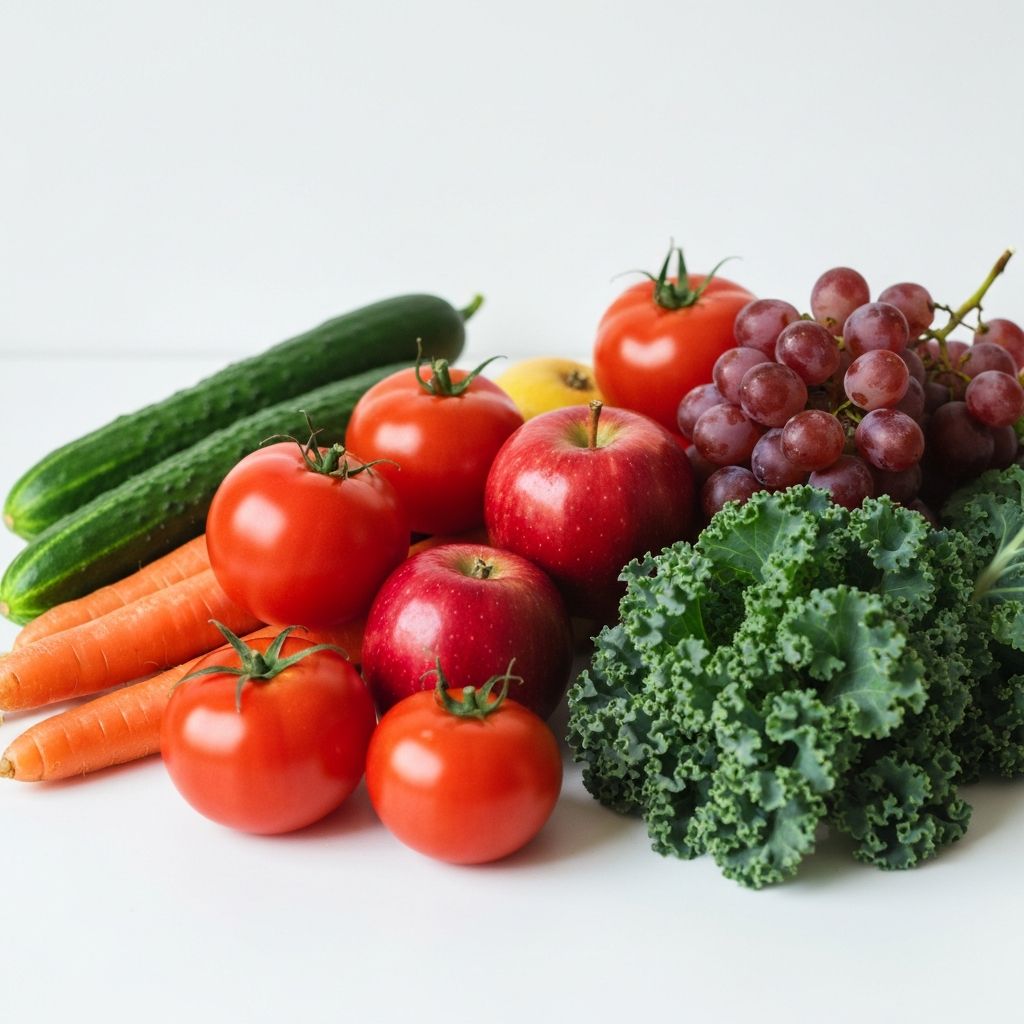

Forming balanced eating habits involves understanding how different foods contribute to your daily routine. We focus on educational guidance that helps you make informed choices about vegetables, fruits, whole foods, and portion awareness.
This approach emphasises gradual changes and sustainable patterns rather than restrictive plans. It's about learning to recognise what works for your lifestyle and building consistent routines around everyday food choices.
Balanced nutrition is not about perfection or strict rules. It's an educational concept that helps you understand how different food groups work together to support daily activities and overall lifestyle balance.
The principle focuses on variety, moderation, and awareness of portion sizes. It includes vegetables, fruits, whole grains, proteins, and other everyday foods in proportions that suit individual needs and preferences.
Educational nutrition guidance helps you learn about nutrient density, meal timing, and how to adapt food choices to different situations without feeling restricted or overwhelmed.
Your everyday eating habits influence how you feel throughout the day. Regular meal patterns, mindful food choices, and balanced portions can contribute to stable energy levels and general comfort.
Understanding this connection is part of lifestyle education. It's not about guaranteeing specific outcomes, but rather about recognising patterns and making informed adjustments that align with your daily routine.

Educational consultations cover several key areas of everyday nutrition:
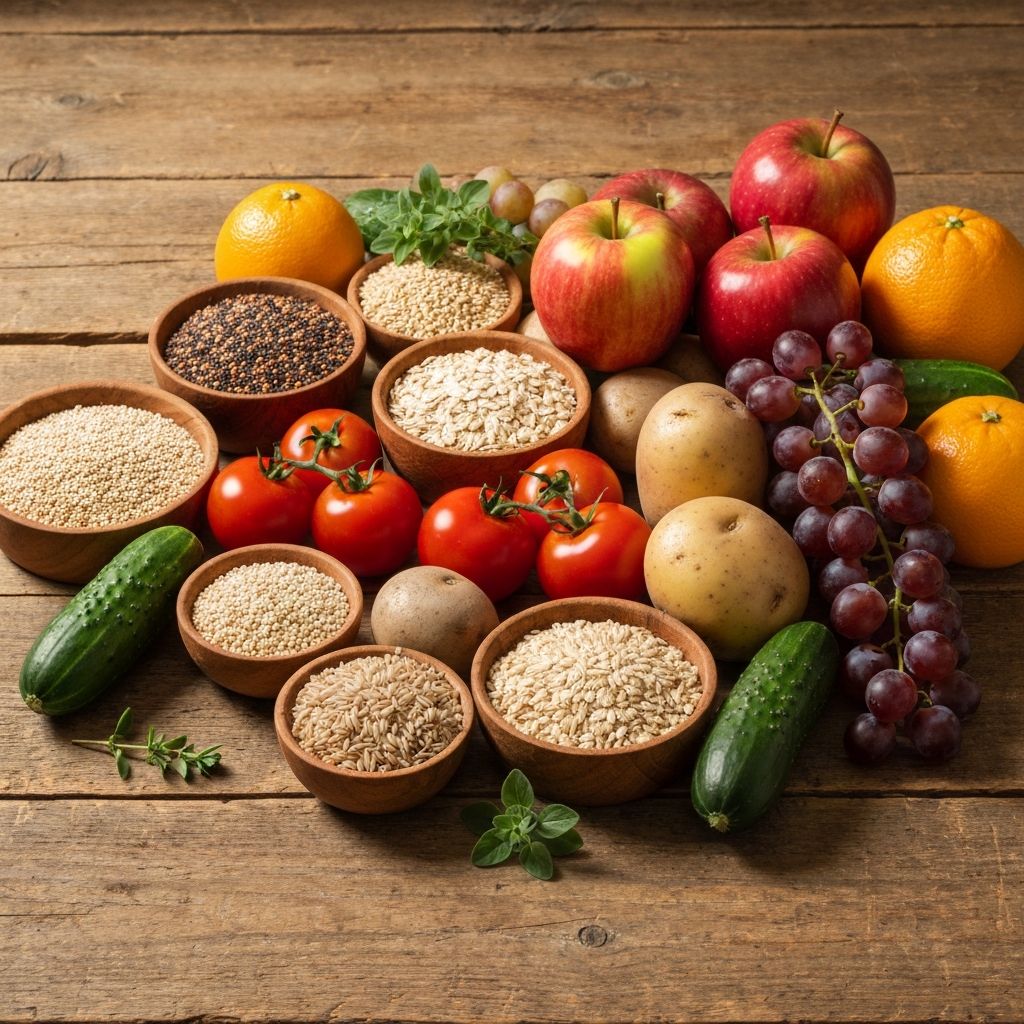
Our consultations are purely educational and lifestyle-focused. We do not provide any form of diagnosis or recommendations for health conditions. Instead, we offer informational guidance on general nutrition principles.
Each consultation is adapted to your personal preferences, daily schedule, and lifestyle needs. This individual approach helps you understand how to apply balanced eating concepts in your own unique context.
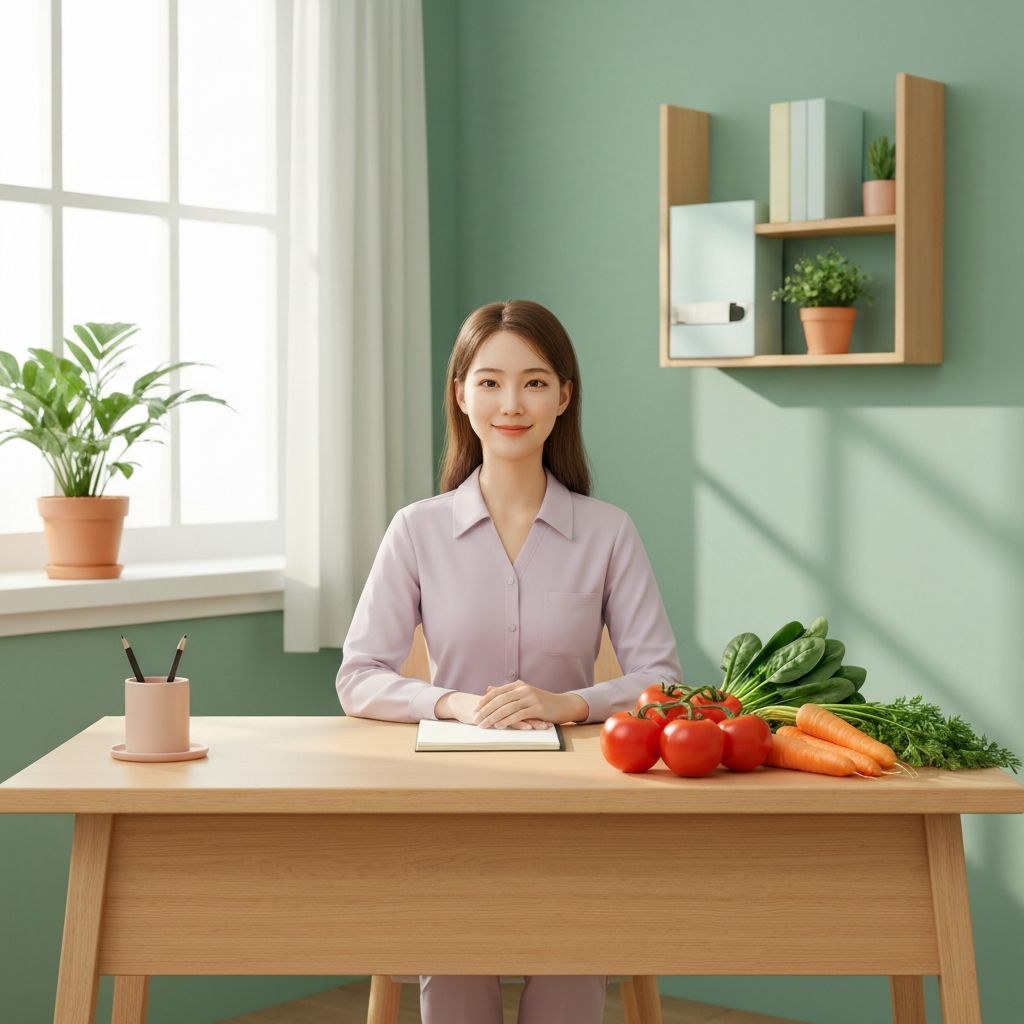


Sustainable eating routines are built gradually through small, consistent changes. Educational guidance helps you identify patterns that work for your lifestyle and develop habits that feel natural rather than forced.
This process involves learning about meal timing, portion awareness, food variety, and practical strategies for different situations like busy workdays, social occasions, or travel. The focus is on flexibility and long-term sustainability.


Learn about choosing a variety of vegetables, fruits, whole grains, and proteins. Understand how to read food labels and make informed decisions at the grocery store based on your preferences and lifestyle needs.
Explore general principles of balanced meal composition, including portion awareness and food group distribution. Discover practical ways to structure meals that feel satisfying and align with everyday routines.
Everyone has different daily schedules, work patterns, and lifestyle demands. Educational nutrition guidance helps you understand how to adapt general balanced eating principles to your specific situation.
Whether you have a regular office schedule, shift work, irregular hours, or frequent travel, you can learn strategies for maintaining consistent eating patterns and making informed food choices in various circumstances.
This adaptive approach recognises that there is no single perfect way to eat, and that flexibility is key to building sustainable habits that work long-term.



Establishing regular meal times helps create structure and predictability in your eating routine. This doesn't mean rigid schedules, but rather finding patterns that work consistently with your lifestyle.
Building everyday routines around food preparation, grocery shopping, and meal planning can make balanced eating feel more natural and less effortful over time.
Learning to make conscious food decisions based on understanding rather than impulse is a key part of educational nutrition guidance. It's about awareness, not restriction.
Consultations typically begin with a discussion of your current eating habits, daily routine, preferences, and lifestyle goals. This is an informational exchange, not an examination or assessment.
During sessions, nutrition professionals share educational information about balanced eating principles, food groups, portion awareness, and practical strategies. You can ask questions and explore topics relevant to your situation.
The interaction is collaborative and educational. Specialists provide general guidance and information, helping you understand concepts that you can then apply to your own life in ways that make sense for you.

Booking a consultation is straightforward. You can reach out through our contact form, email, or phone to express your interest in nutrition guidance.
During initial contact, we'll discuss your questions about the consultation format, what topics can be covered, and how the educational guidance works. This helps ensure that our services align with what you're looking for.
Consultations can be arranged at times that suit your schedule, and we offer flexible options for how sessions are conducted. The goal is to make educational nutrition guidance accessible and convenient.

Educational Purpose Only: All information and consultations provided by MasBalance are for educational and informational purposes only. We do not provide any form of diagnosis or recommendations for specific health conditions.
Not a Substitute: Our guidance is not intended to replace advice from qualified professionals in relevant fields. If you have specific concerns about your wellbeing, please consult appropriate qualified specialists.
No Guarantees: We do not make any promises, guarantees, or claims about specific outcomes, timeframes, or results. Educational nutrition guidance is informational support for learning about balanced eating principles.
Individual Responsibility: You are responsible for how you choose to apply any information learned during consultations. Our role is purely educational and advisory in a general lifestyle context.
"The consultations helped me understand everyday nutrition in a practical way. No pressure, just useful information that I could actually apply to my routine."
"I appreciated the educational approach. It was about learning principles rather than following strict rules, which made it much easier to maintain long-term."
"The guidance was balanced and informative. I learned a lot about food choices and how to structure meals in a way that fits my busy schedule."
Consultations are educational sessions where nutrition professionals share information about balanced eating principles, food choices, and lifestyle habits. They are informational discussions, not examinations or assessments.
Our guidance is suitable for anyone interested in learning about everyday nutrition and balanced eating habits. It's an educational service focused on general lifestyle principles.
We share general educational information about balanced eating principles and practical strategies. We do not provide prescriptive plans or specific recommendations for conditions.
Typical consultations last between 45 to 60 minutes, though this can be adjusted based on your needs and the topics you want to explore.
Yes, we offer flexible consultation formats including remote sessions, making educational nutrition guidance accessible regardless of your location.
Topics typically include understanding food groups, portion awareness, meal composition, building sustainable eating routines, adapting nutrition to your lifestyle, and practical strategies for everyday food choices.
Learn about balanced eating habits and lifestyle-focused nutrition principles
Discover Practical Nutrition Tips